

Introduction
In the realm of power distribution systems, the reliability and safety of electrical cables play a critical role in ensuring smooth operations and preventing potential hazards. Shielded cables have emerged as a popular choice for power distribution due to their ability to minimize electromagnetic interference (EMI) and radio frequency interference (RFI), thereby enhancing the efficiency and safety of electrical systems. This article delves into the intricacies of shielded cables for power distribution, exploring their construction, advantages, applications, and key considerations.
Overview of Shielded Cables
Shielded cables, also known as screened cables, are specialized electrical cables that incorporate a protective layer to shield against external electromagnetic fields and minimize signal interference. The shielding layer is typically made of conductive materials such as aluminum or copper, which act as a barrier to electromagnetic radiation and prevent it from penetrating or affecting the signal-carrying conductors within the cable.
Construction of Shielded Cables
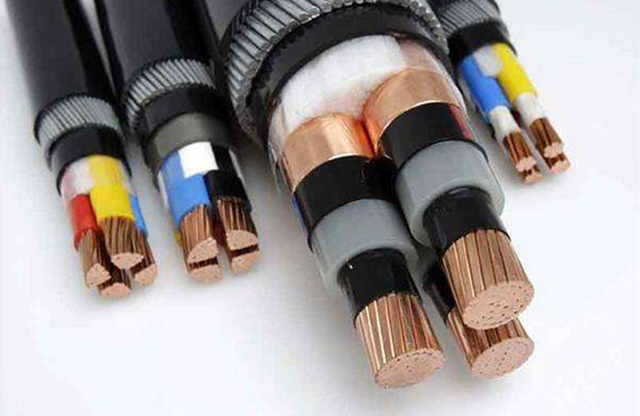
Shielded cables are constructed using a combination of layers that provide protection against various types of interference. The basic components of a shielded cable include:
1. Conductor: The conductor is the core element of the cable responsible for carrying the electrical current. It is typically made of copper or aluminum due to their excellent conductivity properties.
2. Insulation: Surrounding the conductor is the insulation layer, which provides electrical insulation and protects the conductor from external environmental factors.
3. Shielding: The shielding layer is the distinctive feature of shielded cables. It is made of conductive materials such as aluminum foil, copper braid, or a combination of both. The shielding layer acts as a barrier to electromagnetic interference, preventing external signals from disrupting the transmission of electrical signals within the cable.
4. Jacket: The outermost layer of the cable is the jacket, which provides mechanical protection and insulation for the internal components of the cable. The jacket is typically made of PVC (polyvinyl chloride) or other durable materials to ensure the longevity and durability of the cable.
Types of Shielded Cables
There are several types of shielded cables designed for specific applications and environments. Some common types of shielded cables include:
1. Foil Shielded Cable: This type of shielded cable features a thin layer of aluminum foil wrapped around the insulated conductors. Foil shielding provides excellent protection against high-frequency electromagnetic interference and is commonly used in data transmission and telecommunications applications.
2. Braided Shielded Cable: Braided shielding consists of woven copper strands that form a protective layer around the insulated conductors. https://www.jiangyuancables.com/power-cable-for-sale-a-comprehensive-guide/ offer superior flexibility and durability, making them suitable for applications that require frequent bending and movement.
3. Combination Shielded Cable: Combination shielding involves using both foil and braid shields to maximize protection against a wide range of interference sources. Combination shielded cables are ideal for high-performance applications where stringent EMI/RFI protection is required.
Advantages of Shielded Cables
Shielded cables offer a multitude of benefits that make them a preferred choice for power distribution systems. Some key advantages of using shielded cables include:
1. EMI/RFI Protection: Shielded cables effectively block electromagnetic and radio frequency interference, ensuring reliable signal transmission and minimizing the risk of signal degradation or loss.
2. Improved Signal Integrity: By reducing interference and noise, shielded cables help maintain signal integrity and quality, resulting in enhanced performance and accuracy in data transmission.
3. Enhanced Safety: Shielded cables mitigate the risk of electrical hazards and short circuits by containing electromagnetic fields within the cable, thereby improving the overall safety of the power distribution system.
4. Durability and Longevity: The shielding layer in shielded cables provides additional protection against external factors such as moisture, chemicals, and mechanical stress, contributing to the longevity and reliability of the cable.
5. Versatility: Shielded cables are available in various configurations and designs to suit different applications, ranging from industrial machinery and automation systems to telecommunications and audio-visual installations.
Applications of Shielded Cables
Shielded cables find widespread applications across diverse industries and sectors where reliable and interference-free signal transmission is essential. Some common applications of shielded cables include:
1. Industrial Automation: In industrial automation systems, shielded cables are used to connect sensors, actuators, and control devices, ensuring accurate data transmission and control signal integrity in noisy environments.
2. Telecommunications: Shielded cables play a crucial role in telecommunications networks, providing secure and reliable connectivity for data transmission, voice communication, and networking infrastructure.
3. Audio-Visual Systems: Shielded cables are utilized in audio-visual installations such as theaters, recording studios, and broadcast facilities to maintain high-quality audio and video signal transmission without interference.
4. Power Distribution: Shielded cables are employed in power distribution systems to transmit electrical power efficiently and safely, minimizing the impact of electromagnetic interference on the overall performance of the system.
Considerations for Selecting Shielded Cables
When choosing shielded cables for power distribution applications, several factors should be taken into account to ensure optimal performance and compatibility with the specific requirements of the system. Some key considerations for selecting shielded cables include:
1. EMI/RFI Requirements: Determine the level of electromagnetic and radio frequency interference present in the environment to select the appropriate shielding configuration (foil, braid, or combination) that offers adequate protection.
2. Voltage Rating: Ensure that the shielded cable has the correct voltage rating to handle the electrical load and power distribution requirements of the system without exceeding its capacity.
3. Conductor Size and Material: Select the conductor size and material (copper or aluminum) based on the current-carrying capacity and voltage drop considerations to optimize the efficiency and performance of the power distribution system.
4. Environmental Conditions: Consider the operating environment, temperature range, moisture levels, and exposure to chemicals or abrasion to choose a shielded cable with suitable insulation and jacketing materials for long-term reliability.
5. Compliance Standards: Verify that the shielded cable meets industry standards and regulatory requirements for safety, performance, and environmental sustainability to ensure compliance with applicable codes and regulations.
Conclusion
Shielded cables play a vital role in power distribution systems by providing effective protection against electromagnetic interference and ensuring reliable signal transmission in various applications. The construction, advantages, applications, and considerations associated with shielded cables highlight their importance in enhancing the efficiency and safety of electrical systems. By understanding the principles of shielded cable design and selecting the appropriate type for specific requirements, engineers and system designers can optimize the performance and reliability of power distribution networks while mitigating the risks associated with interference and signal degradation.